
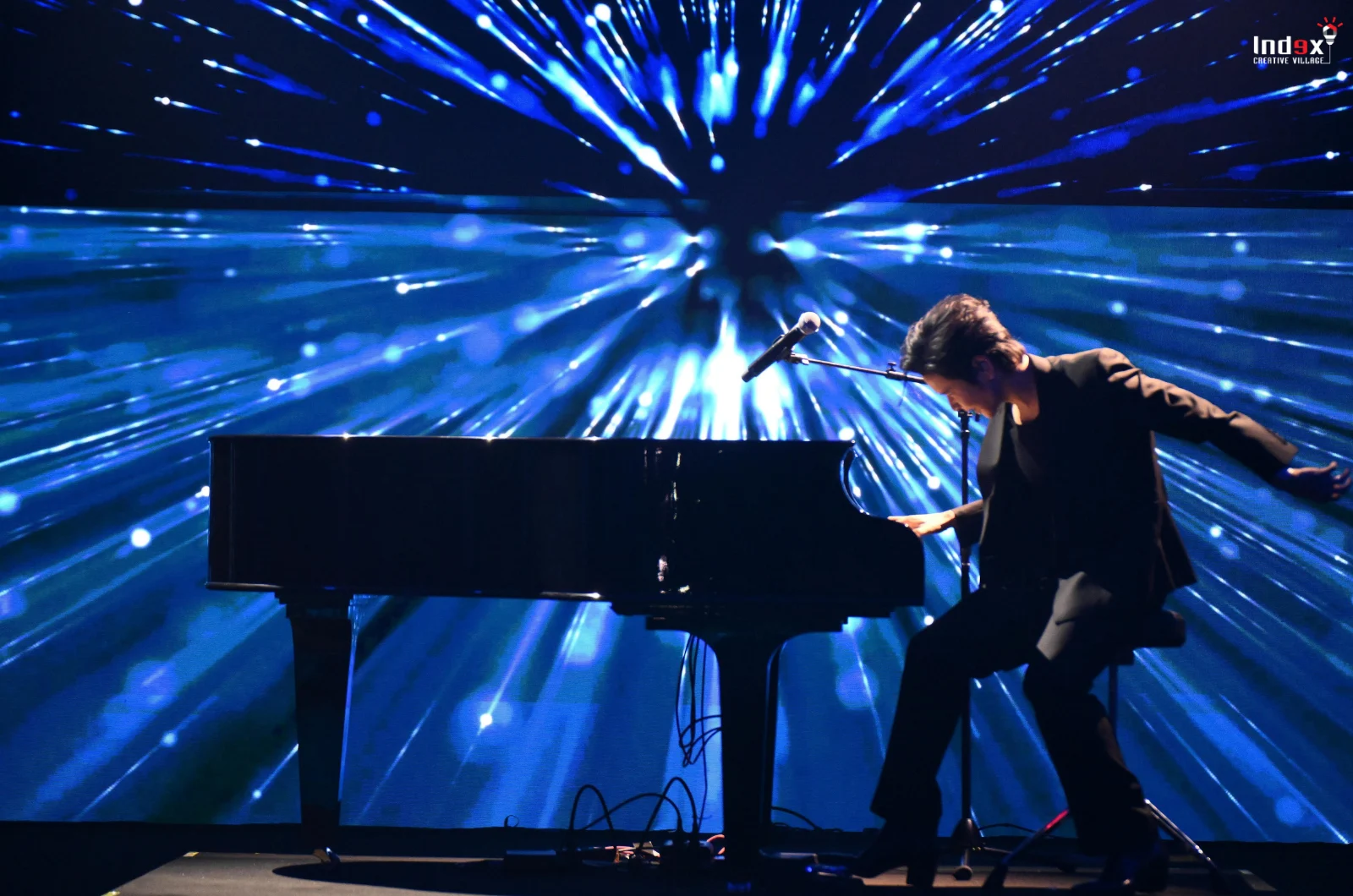
Event Design That Connects Brand Strategy to Live Experience
Key Decisions Before Design Begins
- Start event design from a business objective, not from a theme or a technique you want to try.
- Agree who the audience is and what they should think, feel and do after the event.
- Plan space, lighting, sound and visuals together. Treated separately, they rarely tell one story.
- Leave time for venue rules and a full rehearsal. These are the parts of event planning in Thailand that teams abroad most often underestimate.
The Planning Approach at a Glance
Event design is the process of turning a business objective into an experience guests can see, hear and take part in on the day. For international teams running an event in Thailand, it works best in four steps: define goals and audience needs, translate brand guidelines into a clear creative event concept, design space, lighting, sound and visuals as one system, then coordinate event production, approvals and on-site delivery with a local partner. A brief that answers why, who and what success looks like gives the local team what it needs to propose the right format and keep the budget under control.
What Event Design Means for Your Brand Objectives
The work covers every decision a guest meets, from the first thing they see at the entrance to the feeling they leave with. Stage, lighting and decor are part of it, but they come after the harder questions: why the event exists, who it is for and what it should change.
An event uses a large share of budget and team time in a single day, so each design choice should trace back to an objective. A product launch builds towards the moment the product is revealed. A client appreciation evening puts conversation ahead of stage time. When the objective is clear, the brand experience has a reason behind every element, and it becomes much easier to explain the spend to finance and leadership.
From Regional Brief to Local Event Delivery
Many multinational events in Thailand start with a brief written in a regional office and end with a crew working through the night in a Bangkok venue. The steps below keep the brand intent intact between those two points.
Define Business Goals and Audience Needs
Write down what the event must achieve and how you will measure it: registrations, qualified meetings booked, product trials or content shared. Measurable goals tell every team what comes first when trade-offs appear.
Then describe the audience in practical terms. Who are they, when can they attend, how will they get there and what do they expect? Senior clients visiting on a weekday need a tight program with room to talk business. Families on a weekend may stay longer and want moments worth photographing. Note language needs too, because a mixed Thai and international audience changes signage, hosting and screen content.
Translate Brand Guidelines into a Clear Concept
Global brand guidelines describe how a brand looks. They rarely say how it should feel in a full hall at night. A creative event concept closes that gap. Try to state it in one sentence. If you cannot, the concept is still too broad and each design team will read it differently.
Share the concept with the local production team early. They can test it against the venue, schedule and budget before the idea is locked, and they can flag local cultural details such as colors, symbols or dates around public holidays. This saves rework later, when regional and local approvals are harder to reopen.
Bring Space, Lighting, Sound and Visuals Together
Guests take in everything at once, so the design has to be planned the same way. Start with the floor plan: where people enter, where they gather and where the key moment happens. Then use lighting, sound and visuals to lead them there.
Techniques such as projection mapping, lasers or LED walls can tell a story well, but choose them because they suit the story rather than because they are new. Check the venue first: ceiling height, rigging points and load limits, available power, and how much outside light will reach the screens.
Coordinate Production, Approvals and On-Site Delivery
Event production turns the design into build schedules, supplier orders and a show running order. Agree an approval path with named decision makers at regional and local level, plus a date for each sign-off, so the build never waits on an email.
On site, run a full technical rehearsal with real cues for lighting, sound, video and hosts. Prepare fallback plans for common issues such as power failure, equipment faults or rain at outdoor events, and decide in advance who can make calls on the day. With those in place, the team can fix problems quickly and guests rarely notice.
Case Studies from Index Creative Village
ASEAN Para Games Thailand 2025
Index Creative Village designed and created both the opening and closing ceremonies. For the opening, we told the story through light, color, sound, lasers and choreographed sequences, celebrating equality and the ability of every athlete. For the closing, we built the show around Isan culture, blending regional music with High Power Laser and projection mapping across three segments. Every technique was chosen to serve the story rather than for novelty alone.
One Bangkok Countdown Celebration 2025
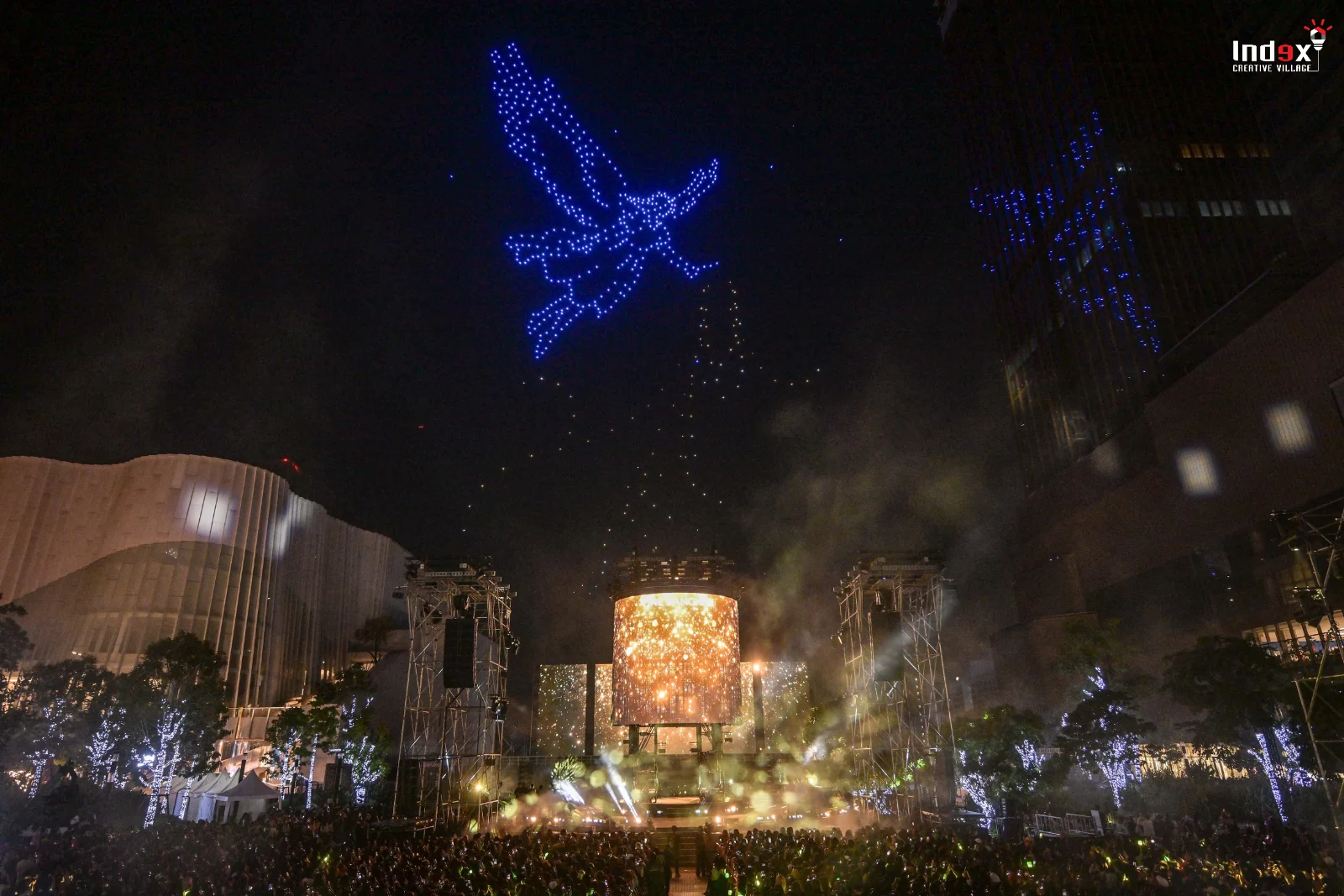
Our team helped create the countdown celebration at One Bangkok, designing an experience of light, color, sound and technology to welcome the new year with a moment people would remember.
Thailand Pavilion, World Expo 2010 Shanghai
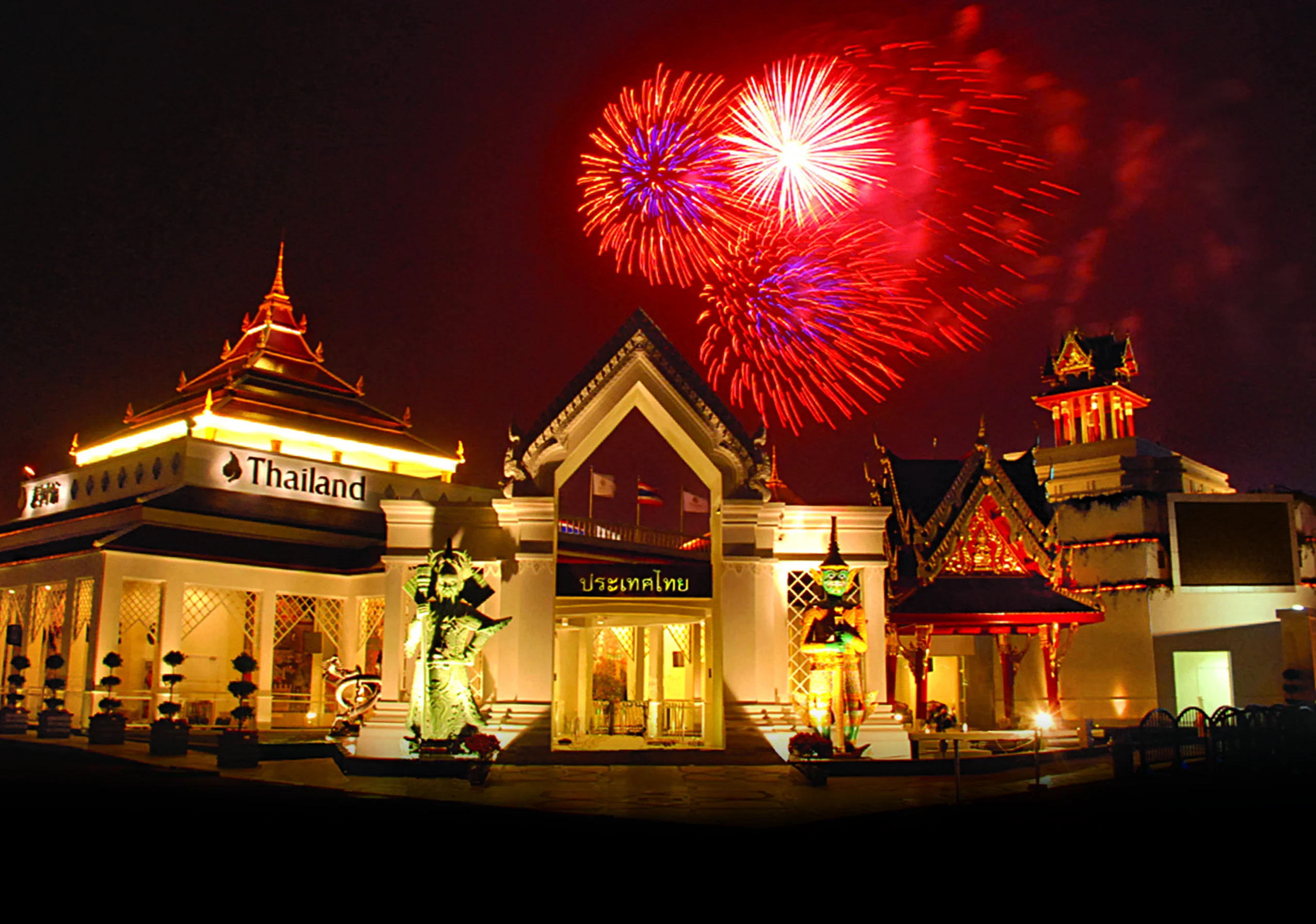
The Thailand Pavilion we helped create at World Expo 2010 Shanghai received eight awards from Thailand’s creative event awards and remains a milestone in our international work.
If you would like to see more of our work, let our team know the type and scale of event you are planning. We will share the projects closest to yours, which give a much clearer picture than a general portfolio.
Frequently Asked Questions About Event Design
What is the difference between event design and event management?
Design decides what guests experience, feel and remember. Management covers the wider job: planning, suppliers, production, logistics and running the day. Design sets the direction, and management makes sure it happens on time and on budget.
How far ahead should event planning in Thailand start?
It depends on scale and production complexity. Large events with custom shows or structures usually start several months ahead, and some are planned close to a year out. Start as soon as you have a date and an indicative budget, so there is time to secure a venue and test key techniques.
What should a brief to a local event partner include?
Include objectives and success measures, audience profile, expected guest numbers, preferred dates, venue ideas, brand guidelines and a budget range. Add the approval chain and any global standards the event must follow. Examples of past events you liked, or did not, help the team read your taste quickly.
Can a smaller budget still create a memorable brand experience?
Yes, if you put the money into one moment that tells the brand story clearly instead of spreading it evenly across every corner. One well-designed moment is usually remembered longer than many decorative touches.
How do we measure the results of an event?
Use the measures agreed at the goal-setting stage, such as registrations, meetings booked, launch-period sales or social mentions. Set up data collection before the event, because much of it cannot be recovered once the day is over.
Planning Takeaways and Event Design Services
Strong event design starts with a clear business objective and builds step by step: understanding the audience, agreeing on a creative event concept, designing space, lighting, sound and visuals as one story, and managing every detail on the day.
If your team is planning an event in Thailand and looking for one partner from the first concept to opening night, the Index Creative Village team would be glad to plan it with you. Contact us at +66 2 666 9333 or through indexcreativevillage.com, and share your objectives, audience, expected guest numbers and preferred dates so we can propose an approach that fits your event from our very first conversation.
Discover more about us: https://www.facebook.com/IndexCreative
#IndexCreativeVillage #NeverStopCreating