

 Highlight
- An event management company covers what most in-house teams can’t scale to alone: strategy, creative concept, technical production, vendor coordination, and on-site execution.
- In-house teams work well for recurring internal events — workshops, all-hands, annual meetings. For large launches, regional campaigns, or complex productions, an event agency tends to deliver stronger results.
- Choosing the right event management company in Southeast Asia comes down to more than portfolio visuals. Regional presence, production capability, financial stability, and a proven risk management framework matter more in practice.
- A reliable event agency in Bangkok or across SEA should feel like a strategic extension of your team rather than a vendor on a PO.
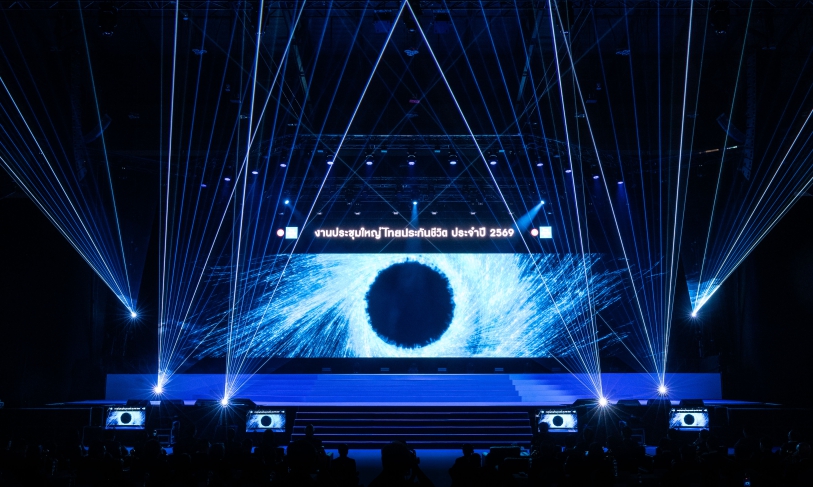
- Index Creative Village has delivered corporate conventions, product launches, gala dinners, and exhibitions across Thailand and the rest of Southeast Asia, handling everything from initial brief to teardown.
Introduction
For companies scaling across Southeast Asia, the role of corporate events has shifted. A regional product launch in Bangkok or an annual partner summit in Jakarta isn’t just a meeting on a calendar — it’s a tool for brand positioning, internal alignment, and market entry.
Which raises a practical question: should you build the team that runs these events in-house, or work with an event management company that does this every week?
Neither answer is universally correct. The right choice depends on the type of events you run, how often, at what scale, and across how many markets. This guide breaks down where each model works, where each falls short, and how to choose an event agency if you decide to outsource.
What Does an In-House Event Team Actually Handle?
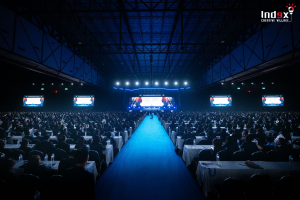
An in-house event team is built for the day-to-day rhythm of company life, not for blockbuster productions. Its biggest advantage is institutional knowledge — they know the company culture, how the CEO likes to speak, which approvals matter, and how the brand should never be presented. That translates into tighter control over messaging, confidentiality, and consistency across every internal touchpoint.
An internal event team typically oversees:
- Leadership briefings, town halls, and annual employee meetings
- Recurring programs that gradually become more efficient as the format stabilizes
- Smaller activations such as workshops, CSR initiatives, and internal launches
- Brand consistency and adherence to corporate identity guidelines
- Long-term institutional knowledge that reduces planning cycles and recurring errors
The flip side is the cost structure. Salaries, benefits, software licenses, storage, and ongoing training keep running whether you have one event a quarter or one a month. Stability comes built-in, but so does pressure on utilization.
Scalability is the other structural limit. When a multi-market launch lands, a complex production needs building, or timelines collapse, internal headcount runs out quickly. That’s typically when companies bring in an event management company to fill the gap.
What Does an Event Management Company Bring to the Table?
Where an in-house team is built for continuity, an experienced event management company is built for scale and complexity.
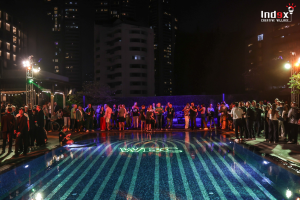
A good event agency does more than “organize an event.” It connects the business objective — launch a product, enter a market, reposition a brand — to the creative and technical work that delivers it. In Southeast Asia, where regulations, cultures, and vendor ecosystems shift from one country to the next, that breadth of capability becomes the whole point.
Here’s what a strong event partner typically brings:
- Strategic clarity. Every event ties back to a defined business objective, not a vague brief.
- Creative concept development. Ideas built to land with the audience and actually be buildable on-site.
- Vendor networks and production depth. Long-standing supplier relationships tighten execution and keep costs realistic.
- Regional scalability. Cross-border logistics, permits, and local compliance handled across SEA markets.
- Risk and compliance management. Safety standards, insurance, and contingency plans aren’t bolted on at the end.
- Technical production expertise. Specialist crews for complex stage builds, broadcast, and large-format LED.
- Budget discipline. An experienced event management company spends where the audience actually sees it, and trims where they don’t.
The point of an event management company isn’t only execution — it’s absorbing complexity so your team doesn’t have to.

How to Choose the Right Event Agency for Your Business
Choosing an event management company in Southeast Asia is more than picking the most cinematic portfolio. The real test is whether the event agency holds up when a venue cancels three days out, a typhoon hits the build week, or local permits get pulled at the last minute. SEA isn’t one market — it’s twelve — and structural capability matters more than reel quality.
When assessing an event management company in SEA, consider the following:
- Regional presence. Real on-ground experience across SEA beats temporary partner stitching, particularly when permits and cultural nuance are involved.
- Relevant experience. Look for projects similar in scale and complexity to yours. Not every event agency is built for every type of event.
- Production capability. Teams with in-house technical know-how deliver smoother execution than agencies that subcontract every layer.
- Financial stability. Large events run on cash flow. A financially stable agency lowers the risk of mid-production breakdowns.
- Risk management framework. Safety protocols, insurance, and contingency plans should already exist — not be invented for your project.
- Scalability track record. Proof of multi-city or multi-country delivery, because regional expansion needs real coordination, not improvisation.
The right partner shows alignment between strategy, creativity, and execution, not just polished visuals. A reliable event management company in Southeast Asia should feel less like a supplier and more like part of your team.

When Should You Go In-House and When Should You Outsource?
Whether to keep events in-house or bring in an event management company comes down to two things: the type of event and the complexity it carries. Internal teams are usually the right fit when events are recurring, structured, and primarily for an internal audience. For example:
- Annual employee engagement events
- Internal product briefings
- Small CSR initiatives or workshops
- Brand CSR initiatives or seasonal team-builds
For these formats, an in-house team brings strong brand control, familiarity with internal processes, and institutional knowledge that compounds year after year. When formats repeat, the efficiency improves enough to justify the fixed salary cost.
When scale or public visibility climbs, the demands change. An event agency or experienced event management company becomes the better fit when the event involves:
- A major product launch
- A large public-facing activation
- A multi-market or regional campaign
- Complex technical production
- Tight timelines with limited room for error
An event agency brings broader vendor networks, structured risk management, and the headcount to scale up fast. Rather than stretching internal staff thin, partnering with an event management company lets your team stay focused on strategy while production specialists handle the execution work.
Most organizations end up with a hybrid: internal teams managing recurring programs, an event agency stepping in for large-scale or high-stakes initiatives. The structure should match the ambition of the event, not the other way around.
Index Creative Village’s Portfolio
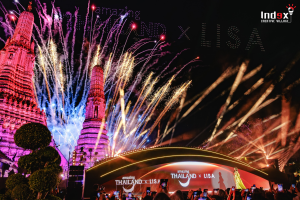
At Index Creative Village, every project starts with the same question — what will people actually remember from this? The portfolio spans different formats, but the underlying brief is consistent: turn business objectives into experiences worth remembering.
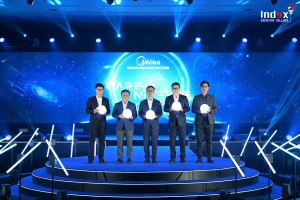
Corporate Conventions
Corporate conventions don’t have to feel like ballroom obligations. We design conventions that pull content, stage design, and storytelling into one experience, so the room walks out aligned, not just informed.

Gala Dinners
From internal milestones to client appreciation evenings, we build gala dinners that feel considered rather than templated. Concept, visual design, technical production, guest flow — every layer handled by people who do this every week.
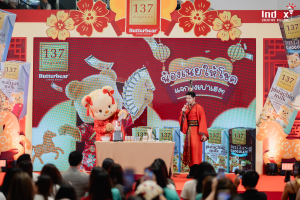
Product Launches
A launch is more than a reveal. Our launches build anticipation before the date, shape perception in the room, and create an environment where the product itself becomes the headline. The job isn’t to introduce a product — it’s to set it up for the quarter that follows.
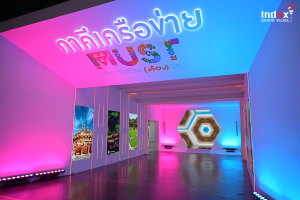
Exhibitions and Showcase Spaces
Exhibitions and showcase spaces are where brands either feel current or feel dated. Our work turns these spaces into environments visitors actually engage with — pushing innovation in the design while keeping the brand recognizably itself.
Across every format, the work runs on the same combination of strategy, creativity, and execution, applied until the event delivers both impact and intent.
Conclusion
Running events well comes down to knowing what the organization actually needs. Some companies run strong in-house teams for years, and that works — until an event outgrows what the team can handle. Others bring in an event agency from the start and never look back. Neither path is wrong.
What matters is matching the structure to the ambition. A workshop and a multi-market product launch are different problems, and they deserve different solutions.
For businesses in Thailand and across Southeast Asia, the right event management company doesn’t only execute — it thinks alongside you from the first brief to the last load-out.
FAQ
Q: What does an event management company actually do?
A: An event management company covers the full event lifecycle — strategy, creative concept, technical production, vendor coordination, and on-site execution. The job isn’t just running day-of logistics; it’s making sure the event hits the business objective behind it.
Q: Is it better to build an internal event team or hire an event agency?
A: It depends on what you run. Internal teams work well for recurring, smaller-scale events. An event agency is usually the better fit for large, complex, or high-visibility projects where any mistake is visible to everyone.
Q: How much does it cost to hire an event management company in Thailand?
A: Costs vary widely depending on scale, production complexity, venue, and technical requirements. In Bangkok and other major Thai cities, pricing differs significantly between a half-day corporate event, a public-facing brand launch, and a multi-day production.
Q: How do I choose the right event agency in Bangkok?
A: Look at proven experience on similar projects, in-house production capability, financial stability, and a clear risk management framework. A good event agency in Bangkok should also know local permit processes and the quirks of major venues.
Q: Can an event management company handle multi-country events in Southeast Asia?
A: Yes. Many regional agencies specialize in cross-border delivery, handling permits, cultural adaptation, logistics, and local vendor coordination across multiple Southeast Asian markets.
Q: Do international companies hire event agencies in Thailand for product launches?
A: Yes. Many global brands use event management companies in Thailand, particularly in Bangkok, for product launches, brand activations, conventions, and exhibitions. The city’s infrastructure and regional connectivity make it a logical hub for SEA-wide rollouts.