
Highlight
- A phygital event blends Physical and Digital into one experience — not by layering technology onto an event, but by redesigning the attendee journey from scratch.
- Phygital isn’t a passing trend. It’s becoming the baseline standard for serious events worldwide in 2026.
- Events built on Phygital capture first-party data at every touchpoint, deliver measurable ROI, and build brand relationships that outlast the event day.
- In 2026, attendees don’t just want to show up. They want to participate. Phygital is how events meet that expectation.
Introduction
Picture walking into an event and actually having a say in what happens. You vote in real time to steer a live session, scan a booth to pull up product details through AR, and keep receiving personalized content weeks after the event wraps. That’s what a phygital event looks like in practice.
In 2026, people who attend events don’t just want to be there. They want to feel something, interact with something, and leave with something worth remembering. That shift is exactly why Phygital has become one of the most talked-about concepts in the event industry right now.
This guide breaks down what a phygital event is, how it works, what components make it tick, and why events that don’t adapt risk falling behind this year.
What Is a Phygital Event? More Than a Buzzword
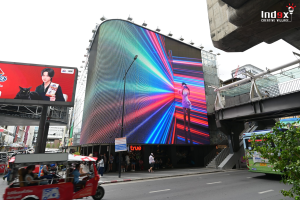
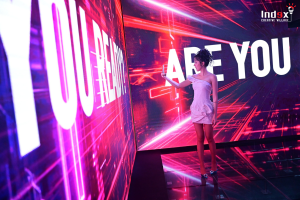
A phygital event is an event designed to blend the physical world (real venue, real people) with the digital world (apps, data, online platforms) into a single connected experience. The word comes from Physical + Digital, and what it describes has nothing to do with putting up LED screens or streaming your event online at the same time.
Phygital is an experience design approach built around the attendee’s perspective. The goal is to make every touchpoint — from pre-event communications through to post-event follow-up — feel continuous and intentional, not like separate moments stitched together.
Here’s the clearest way to see the difference. A standard product launch: attendees walk in, sit through a presentation, handle the product, and leave. A Phygital Event: attendees receive a Digital Pass before the event. When they arrive, a Smart Badge tracks which booths they visit. During the event, live polls let them shape the direction of sessions happening right now. After the event, they receive content tailored to their specific behavior throughout the day.
That difference is what makes phygital event more than a new term for the same old thing. It’s a fundamentally different way of thinking about what an event is for.
How Phygital Changes the Role of Event Organizers
For a long time, a well-run event meant smooth logistics. Venue ready, schedule on time, food sorted, AV working. Those things still matter, but in the Phygital era they’re table stakes — the minimum every organizer is expected to deliver.
What separates one event from another today is the ability to design the attendee journey end to end, connecting the physical and digital worlds along the way.
The organizer’s role has shifted from someone who manages things to someone who designs experiences: what attendees feel, what they discover, and what they remember. That’s a different job entirely.
Why Events in 2026 Need to Take Phygital Seriously
Phygital isn’t here to make events look more modern. It changes the structure of an event at a level that goes much deeper than aesthetics. There are three areas where it fundamentally shifts how events work.
- It changes how attendees experience an event
Instead of passively receiving information, attendees can interact with content directly. AR scans at a booth for detailed product info. Real-time polls that actually influence a live session. In-event games tied to each person’s digital profile. These experiences make people feel like participants, not an audience sitting in rows.
- It changes how organizers measure success
Phygital turns every action inside an event into usable data. Which booth got the most foot traffic? Which session lost people halfway through? Who showed the clearest signals of becoming a qualified lead? That information makes decisions sharper during the event, and planning the next one far more precise.
- It changes how brands build lasting relationships
Traditional events end and the connection fades. Phygital extends the experience well beyond the event day through on-demand content people can return to, online communities that keep the conversation going, and follow-ups personalized to each individual’s behavior during the event. It turns a one-time moment into the start of an ongoing relationship.
What Are the Key Components of a Phygital Event?
A Phygital Event that works isn’t built by stacking technology on top of a regular event. It comes from designing three experience layers to work together in a way that feels natural, not forced.
Physical Layer: The Foundation That Still Can’t Be Replaced
The venue and booth spaces are still at the core of any Phygital Event. No technology replaces the feeling of being in the same room as someone, having a real conversation face to face. The Physical Layer isn’t something Phygital replaces. It’s the foundation everything else is built on.
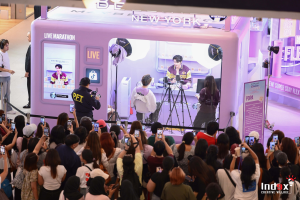
In this layer, organizers need to design the space to support technology integration: electrical systems that can handle digital equipment, a booth layout that works with foot traffic tracking, and activation zones built to generate shareable moments.
Digital Layer: Turning Spectators into Participants
AR, VR, holograms, live polls, smart badges, and other interactive technology are what separate a Phygital Event from a conventional one. The key principle: every digital element should be chosen because it enhances what’s already happening in the room, not because it looks impressive in a proposal.
Real examples that work: a Smart Badge that records which booths an attendee visits, giving the follow-up team precise targeting data. A live poll that lets the audience steer the direction of a session happening right now. These things make attendees feel like they’re part of the event, not just sitting through it.
Data & Platform Layer: Where Everything Becomes Insight
Event apps, analytics dashboards, and live streaming systems tend to get treated as afterthoughts. They shouldn’t be. This is arguably the most important layer of the three — because it’s where every action inside the event becomes information you can actually do something with.
Which session got the most engagement? Who’s worth following up with? Which content should be repurposed after the event? The Data and Platform Layer is what turns a Phygital Event from a great experience into a measurable result — and that’s the number that matters to most decision-makers.
Phygital Event in Action: Index Creative Village
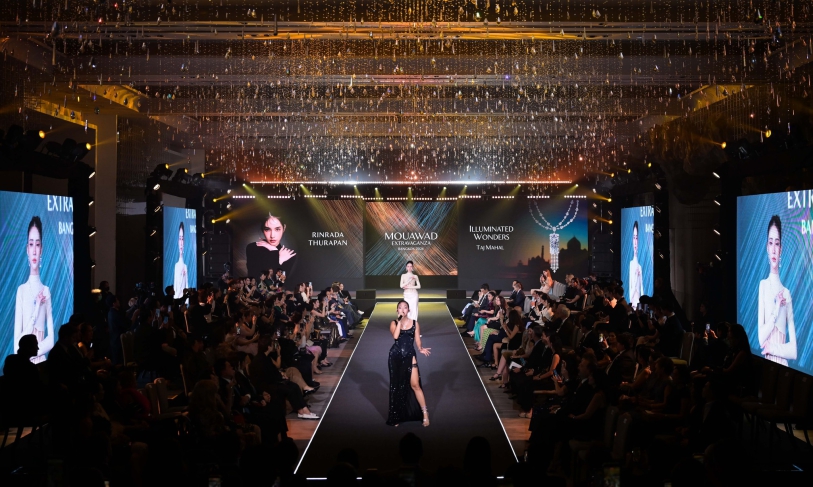
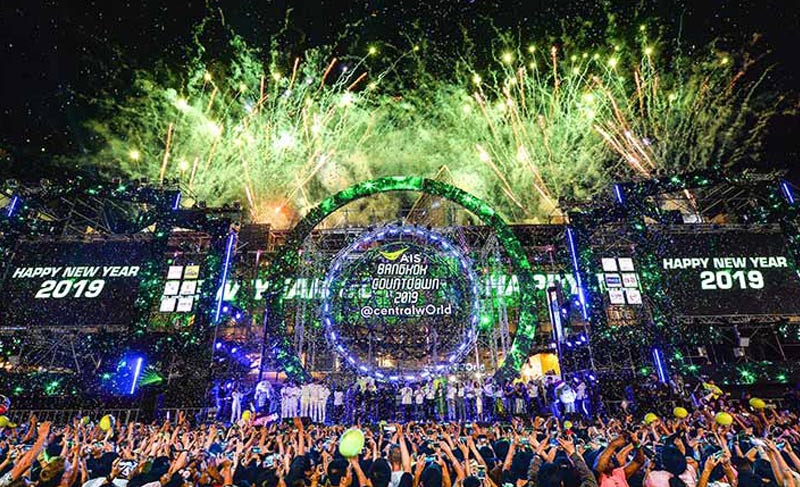
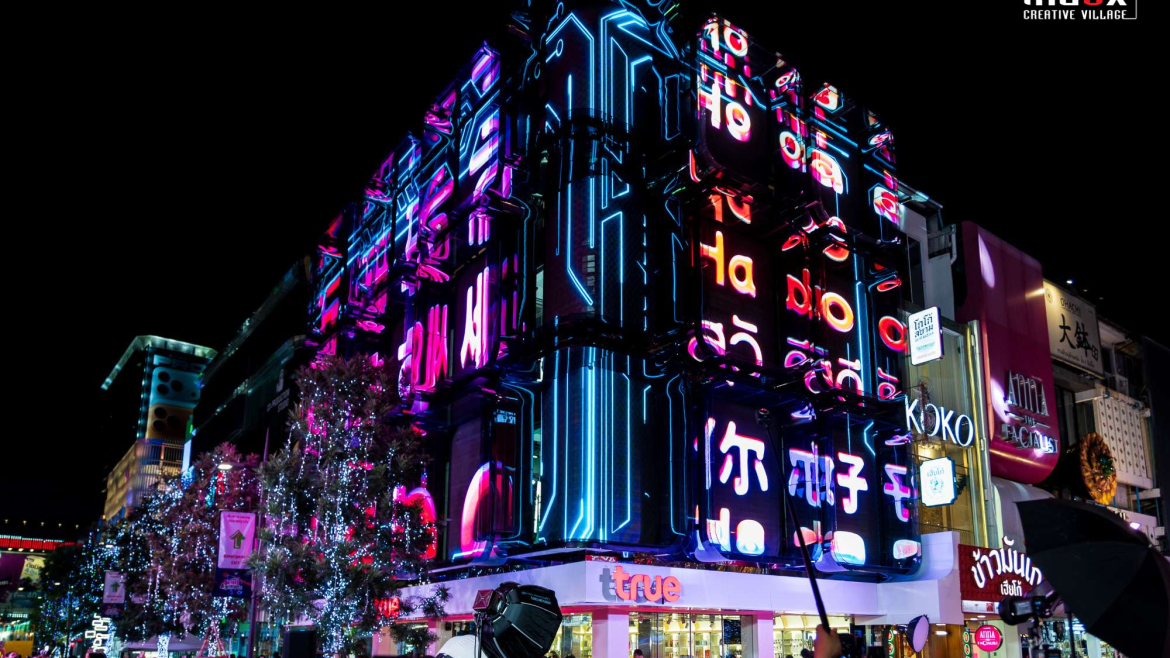
Index Creative Village has managed events at an international scale for over 40 years, applying Phygital principles across a wide range of client projects — from regional product launches to brand activations in major shopping centers across Southeast Asia.
The approach starts with the brand’s objectives, not the available technology. The team identifies which touchpoints inside an event can deliver the most impact, then designs the right Digital Layer to complement the Physical Experience.
The result: events people actually remember, outcomes brands can report on, and data that makes the next campaign smarter.
See our work at indexcreativevillage.com/portfolio
FAQ: Phygital and Event Service
What exactly is a phygital event?
A phygital event is an event designed so the physical and digital experiences work together as one. It’s not about running a livestream alongside an in-person event. It’s about designing the attendee journey from before the event through to weeks after it ends, so both worlds connect in a way that feels intentional throughout.
Does Phygital work for smaller events?
Absolutely. Phygital doesn’t require a large budget or complex technology to start working. A real-time voting system or a live social wall already qualifies as a phygital experience. What matters is connecting the physical and digital with purpose, not adding technology for the sake of looking current.
Can Phygital actually measure ROI?
Yes, and this is one of its strongest advantages. Because digital systems inside the event capture data at every touchpoint, organizers can clearly identify which sessions held attention, which booths generated the most interest, and where leads are most likely to come from. That makes ROI measurement far more concrete than traditional events have ever allowed.
How much budget do you need to run a Phygital Event?
There’s no fixed minimum. Phygital scales with the size and budget of the event. Smaller events might start with a simple event app or QR codes that connect to digital content. Larger events with higher impact goals can incorporate AR, VR, Smart Badges, or holograms. The principle is consistent: put budget where it creates the most value for the people in the room.
Conclusion
A phygital event is more than adding technology to a venue. It’s a redesign of the experience from the ground up, connecting the physical and digital with intention so attendees can genuinely participate, results can be measured, and the relationship with the brand doesn’t end when the lights go out.
In 2026, organizers who understand and adopt Phygital will have a clear edge. Because at some point in the near future, it won’t be a differentiator anymore. It’ll just be what serious events are expected to do.
If you’re planning an event and want a partner ready to design the right Phygital Experience for your brand, Index Creative Village is happy to talk through the best approach for what you have in mind.
See our work: indexcreativevillage.com/portfolio
Facebook: facebook.com/IndexCreative