
 Highlight
-
- Projection Mapping projects imagery onto both 2D and 3D surfaces, creating the illusion of objects that appear to move or transform in real time
- Projection Mapping delivers a powerful immersive experience that goes far beyond what a conventional LED display can offer
- Projection Mapping works for everything from Product Launches and Grand Openings to large-scale national events, giving brands a modern, innovative, and memorable presence
- Leading event companies around the world use Projection Mapping as a go-to tool for creating real-stage impact
Introduction
Events today are no longer just about scale. Creativity and technology play just as big a role in what makes an event stand out. That is why Projection Mapping has become one of the most sought-after tools in the industry. It can turn an ordinary space into a jaw-dropping show within seconds, whether the surface is a building facade, a stage, a product, or a custom 3D structure.
The technology creates visual illusions, dynamic light and color, and a sense of dimension that makes audiences feel like they are part of something truly special. This article walks you through how Projection Mapping works, what types of events it suits, how it compares to LED Wall, and how to use it for maximum brand impact.
What Is Projection Mapping? A Simple Breakdown
Projection Mapping is a technique that uses high-resolution projectors to display imagery on almost any surface, including walls, floors, buildings, stages, vehicles, sculptures, and custom 3D structures. Specialized software calculates the exact angles and proportions needed to match the real shape of the surface, so graphics, animations, and video appear perfectly aligned no matter how complex the structure is.
How It Works: 3 Core Steps
1. Surface Mapping
The first step involves capturing the exact dimensions, proportions, depth, and details of the physical surface. This data is used to build a precise digital model that mirrors the real object in every dimension. Accuracy here is critical because even small errors will cause the projected image to appear distorted or misaligned.
2. Content Design
Once the model is ready, designers create graphics and animations built specifically for that surface. Since the content is made for one unique structure, it cannot simply be reused on a different surface. Examples of what the visuals can do include:
- Wrapping perfectly around a building facade
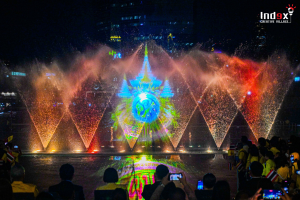
- Flowing alongside a live fountain performance
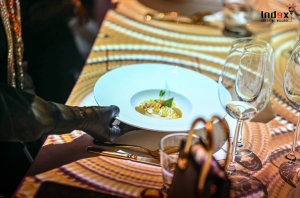
- Highlighting a product or dish on a dining table with supporting graphics around it
3. Calibration and Alignment
After the projectors are installed, every angle, distance, and projection point is fine-tuned down to the millimeter. This ensures the image lines up perfectly with every edge, contour, and dimension of the real surface. Even the slightest misalignment will make the image look off immediately.
How Projection Mapping Differs from LED Wall and Standard Projectors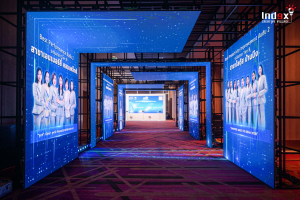
LED Wall displays content on a flat, rectangular screen built from LED modules. It delivers sharp, bright imagery and works well for events that need high-resolution visuals or video playback.
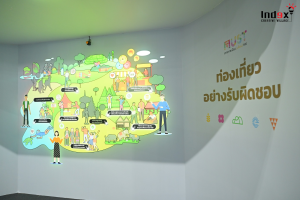
Standard projectors cast images onto a flat screen or plain wall without any shape-specific calculation. They are typically used for presentations or general video display.
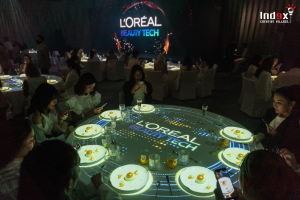
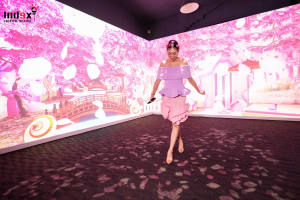
Projection Mapping is not limited to a rectangular format. It turns virtually any surface into a display canvas and uses dimensional calculation to make objects appear alive, textured, and in motion alongside the real structure.
In short, Projection Mapping is not just a projection tool. It is the combination of creative thinking and advanced technology that produces a visual experience that feels genuinely different from anything a traditional setup can deliver.
What Types of Events Is Projection Mapping Best For?
Projection Mapping works best for events that want to stand out, use advanced technology to elevate their presentation, and leave a lasting impression. It is especially well-suited for large-scale events with distinctive structures or events that aim to create broad public awareness.
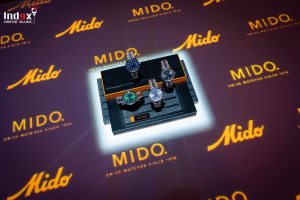
Product Launch
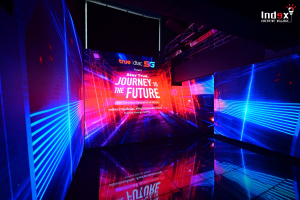
Events that introduce new products, especially in automotive, technology, real estate, or innovation-driven industries, are a natural fit for Projection Mapping. It gives the launch moment a high-tech feel while clearly reinforcing the brand’s identity as forward-thinking and innovative.
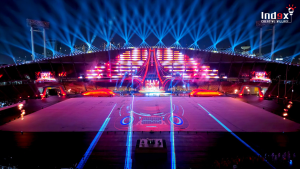
National Events and Sports Opening Ceremonies
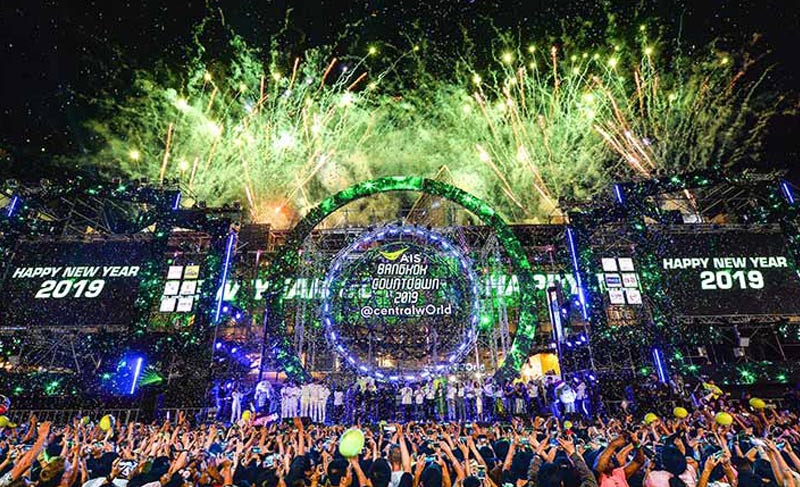
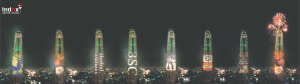
Projection Mapping is widely used in national-level ceremonies and international sports events that are broadcast to large audiences. Combined with lighting, sound, fireworks, and live performances, it requires technology that is highly precise, scalable, and capable of creating visuals that represent the strength and identity of a nation on the world stage.
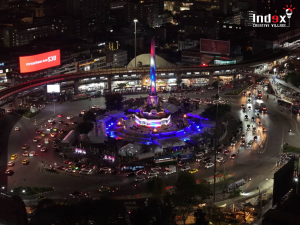
Mega Event
For very large events, Projection Mapping can be applied to key landmarks or oversized stage structures to create shows visible from a distance. It scales well to audiences of thousands and is ideal when the goal is to generate wide public attention and awareness.
Large-Scale Brand Activations
Brands that want to make an impact in public spaces can use Projection Mapping to create one-of-a-kind shows that attract attention and encourage people to share the experience on social media.
Projection Mapping vs LED Wall
Both technologies are used to display moving visuals at events, but the results and experiences they create are quite different.
- Surface Flexibility
Projection Mapping works on nearly any surface, flat or three-dimensional, including buildings, stages, vehicles, and custom structures. LED Wall is limited to the rectangular format of the installed modules.
- Visual Impact
Projection Mapping creates a sense of novelty and excitement by making real objects appear to move or change shape. LED Wall offers sharp, bright, and consistent imagery that audiences are familiar with.
- Design Flexibility
Projection Mapping can be designed freely around any real structure, making it ideal for events that call for a unique creative vision. LED Wall can be scaled to fit a space but remains within the constraints of its rectangular panel format.
- Installation and On-Site Considerations
Projection Mapping requires careful calculation of projector placement and detailed calibration, as well as consideration of ambient lighting conditions. LED Wall installs in modular panels, offers high stability, and is better suited for outdoor events that need higher brightness levels.
- Budget
The cost of Projection Mapping varies depending on the complexity of the content and the number of projectors required. LED Wall budgets are calculated primarily based on screen size and equipment specifications.
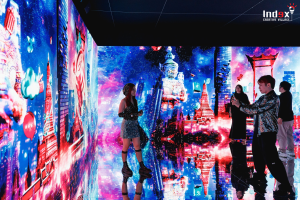
In summary, LED Wall is the right choice when sharpness, brightness, and reliability are the priority. Projection Mapping is the right choice when the goal is to create a cutting-edge image and an experience that feels genuinely different. At large-scale events, both technologies are often used together to get the best of both worlds in terms of visual quality and audience emotion.
Projection Mapping Shows That Made a Global Impact
Projection Mapping has been used across a wide range of events, from luxury brand launches to national ceremonies and digital exhibitions. Each project is designed specifically around the real space and the concept of the event, producing a visual identity that is distinctive and impossible to replicate elsewhere.
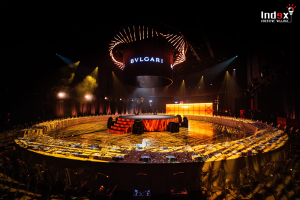
Bvlgari Tubogas 2024
For the launch of Bvlgari’s jewelry collection, Projection Mapping was applied across the entire venue, from the interior architectural structures to the dining tables of attending guests. This created an atmosphere that connected directly with the design language of the collection and turned the entire space into a seamless part of the brand story.
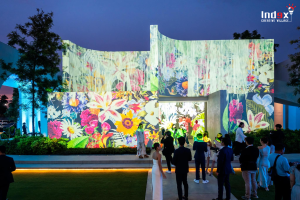
Purra Mineral Water “Life is Natural Wonders”
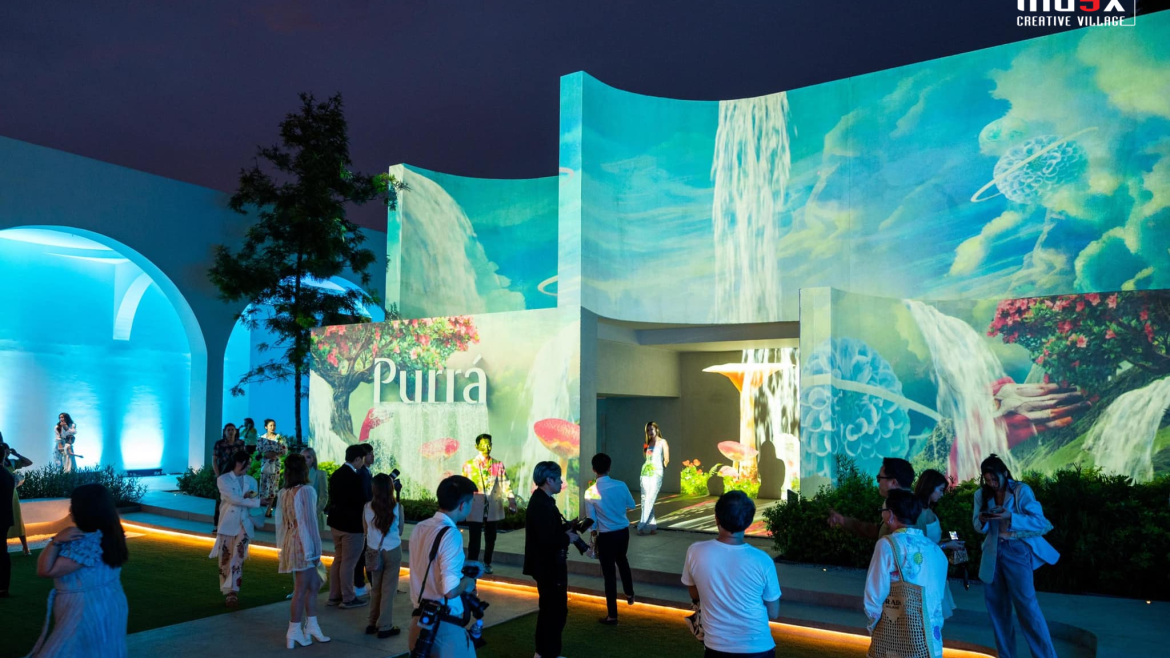
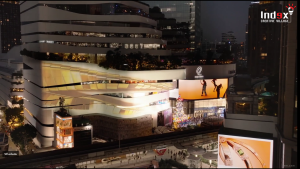
This campaign used Projection Mapping to display large-scale visuals on a building facade, communicating the concept of nature’s wonders and the origins of water through animated graphics that transformed the building into a giant storytelling canvas in the heart of the city.
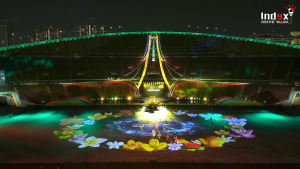
SEA Games & ASEAN Para Games 2025
For the opening ceremony of this regional multi-sport event, Projection Mapping was deployed across the main stage and structural elements of the venue. It told the story of regional identity, culture, and strength through 3D visual illusions combined with live performances, lighting, sound, and live broadcasting to a massive audience.
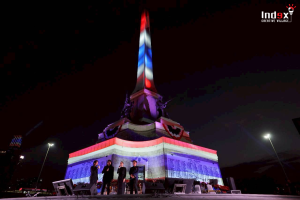
Night of Honor
This military honors ceremony used Projection Mapping as part of its presentation of history and sacrifice. Visuals were projected onto the main structure of the event to create a grand atmosphere that reflected the significance and weight of the occasion.
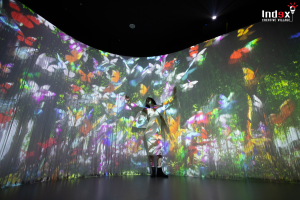
Mahanakhon SkyVerse
This immersive digital exhibition at Mahanakhon Tower combined Projection Mapping with motion graphics and digital media to create an exhibition space filled with shifting visuals and light. Visitors experienced digital art in a completely new way, moving through an environment that responded to the space around them.
Conclusion
Projection Mapping is more than a visual technique. It is a strategic tool for creating experiences that audiences remember and talk about long after the event is over. For brands that want to stand out, elevate their image, or turn an event into a moment that gets shared online, Projection Mapping delivers on both impact and storytelling.
The key to a successful show is precise design, a strong creative concept, and a deep understanding of the technical requirements involved. That is exactly why world-class events continue to choose Projection Mapping when they want to set a new standard for Brand Experience.
FAQ
Q: What types of surfaces can Projection Mapping be used on?
A: Projection Mapping works on a wide range of surfaces, both 2D and 3D, including buildings, stages, fountains, vehicles, sculptures, dining tables, and custom structures. The system calculates the angles and proportions of the projected image to match the exact shape of the surface.
Q: Can Projection Mapping replace an LED Wall?
A: The two technologies have different strengths. LED Wall is better suited for events that need high brightness and sharp imagery. Projection Mapping is better suited for events that call for creative storytelling and a visually distinctive experience. Many large-scale events use both technologies together to get the best results.
Q: How long does it take to produce a Projection Mapping project?
A: Production time depends on the size of the space, the complexity of the content, and the number of projectors involved. Most projects take anywhere from several weeks to several months, as the process involves content design, test projections, and detailed on-site calibration.
Q: Can Projection Mapping be used outdoors?
A: Yes, it can. However, factors such as projector brightness, ambient light levels, weather conditions, and installation positioning all need to be carefully considered to ensure the image remains clear and aligned with the intended surface.
Q: How does Projection Mapping help build brand impact?
A: It transforms a physical space into a large-scale storytelling medium, creating a strong impression that audiences remember and associate with the brand. It also generates highly shareable visual moments that extend brand awareness well beyond the event itself.
Explore our portfolio
Website → https://indexcreativevillage.com/portfolio
Facebook → https://www.facebook.com/IndexCreative