
Highlight
- Event Production is the technical process that brings an event to life—from stage setup, lighting, and sound to real-time show control on event day.
- Event Production covers essential systems such as stage production, lighting design, sound systems, LED visuals, and rigging systems.
- Different types of events require different levels of Event Production, from basic AV setups to full-scale production.
- Advanced show technologies like drone light shows, laser effects, and projection mapping help create a strong wow factor for professional events.
- Leading companies like Index Creative Village combine Event Production, technology, and creativity to deliver large-scale, memorable event experiences.
Introduction
Behind every event that audiences experience for just a few hours lies a complex Event Production process that can take weeks or even months to prepare. This includes stage design, lighting and sound systems, as well as real-time show control during the event.
Event Production is the core element that transforms event concepts into reality and delivers impactful experiences for attendees. Whether it’s a product launch, corporate conference, or large-scale festival, effective Event Production ensures every detail works seamlessly together to create a lasting impression.
What is Event Production?
Event Production is the technical process that turns creative ideas into real experiences in front of an audience. It encompasses everything from stage design and lighting to sound systems and live show control on the event day.
If Event Planning focuses on strategy and preparation, and Event Management focuses on coordination and execution, then Event Production is the stage where everything comes to life.
In practice, Event Production manages all core technical systems and infrastructure—stage, lighting, sound, and immersive technologies that elevate the overall experience. When all elements are perfectly synchronized, Event Production becomes the driving force that transforms ideas into tangible, engaging experiences from the very first moment.
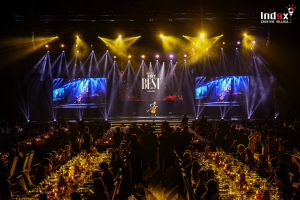
What Does Event Production Cover?
In real-world events, Event Production goes far beyond equipment setup. Production teams work closely with creative teams from the beginning, designing lighting, sound, and visual elements while planning the full technical system that ensures the event runs seamlessly.
This includes everything from stage structures and technical system integration to real-time control and on-site coordination. Every element must operate in perfect sync, as even a small timing error can impact the entire audience experience.
Typically, Event Production covers the core technical systems of an event, including:
- Stage Production – The design and construction of stages, scenic elements, and performance spaces tailored to event formats such as conferences, product launches, or concerts.
- Lighting Design – Creating lighting systems that set the mood, highlight key moments, and add depth and dimension to the stage.
- Sound System – Audio systems for speeches, performances, music, and communication, ensuring clear sound coverage across the venue.
- LED & Visual Systems – LED screens, projections, and visual content used to tell stories and enhance on-stage presentations.
- Rigging & Structural Systems – Structural setups for suspending equipment such as trusses, lighting, LED screens, and other technical elements, all aligned with strict safety standards.
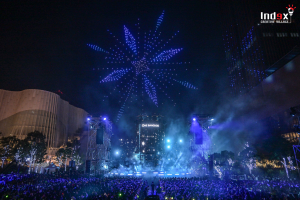
Beyond these fundamentals, large-scale or international events often incorporate advanced show technologies to elevate the experience and create a strong wow factor, such as:
- Drone Light Show – Coordinated drone performances that create large-scale visuals in the sky, ranging from 100 to over 1,000 drones.
- Laser & Special Effects – Laser visuals and special effects that enhance key show moments and add dramatic impact.
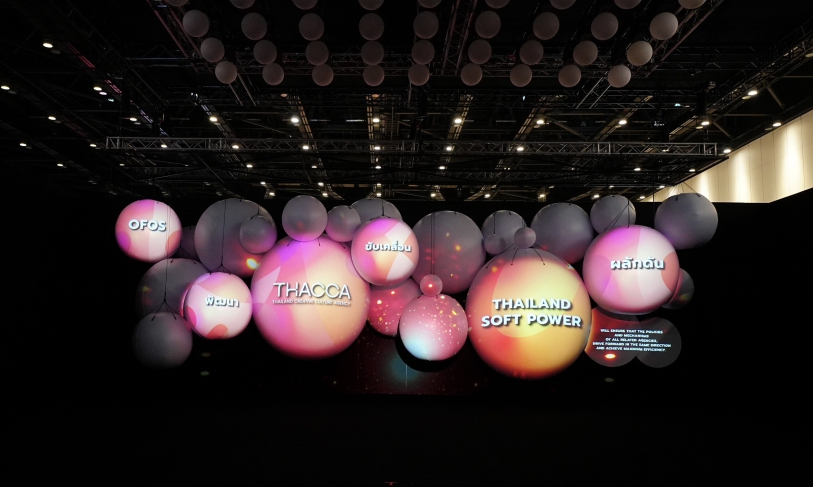
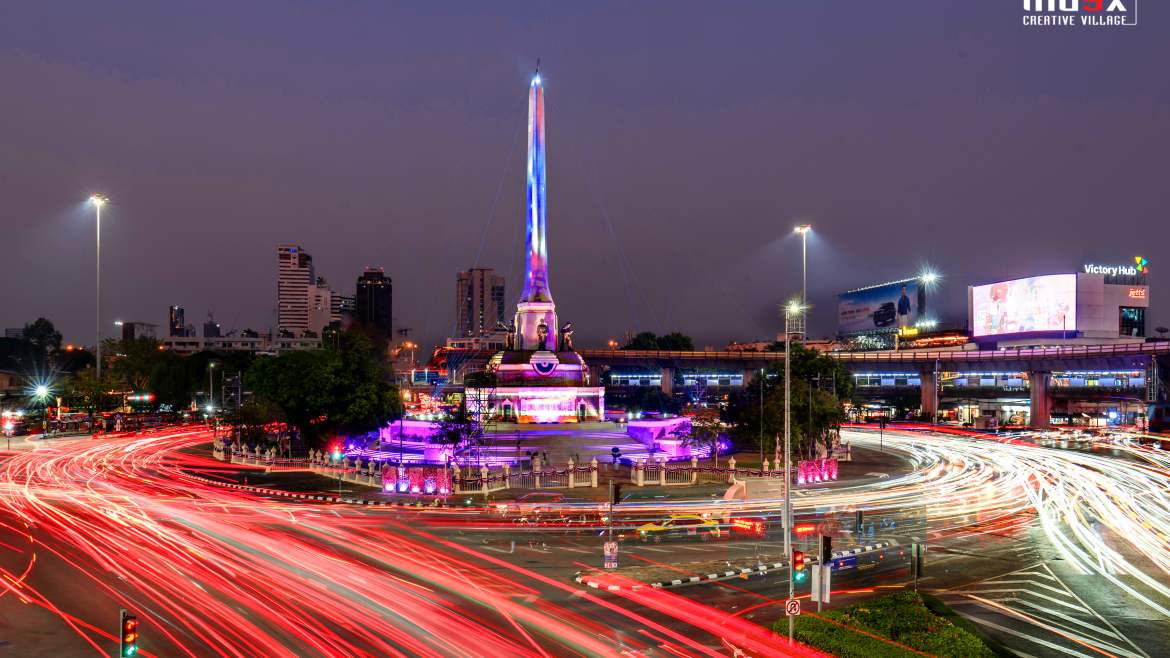
- Projection Mapping – Projecting visuals onto buildings or structures to create immersive, dynamic environments.
- Interactive Technology – Technologies that enable audience participation and engagement throughout the event experience.
For leading event companies in Thailand such as Index Creative Village, Event Production is not just about technical execution. It is the integration of creativity, advanced technology, and professional expertise at every stage from system design to live show control.
Whether for local or international events, every detail is carefully engineered to deliver precision, scale, and impact, transforming event concepts into memorable experiences that resonate long after the event ends.
What Level of Event Production Does Your Event Need?
Many people assume that Event Production is defined by equipment or stage size. In reality, the level of Event Production is determined by the complexity of the experience you want to create, not just the scale of the event.
Even smaller events may require highly sophisticated Event Production if they aim to deliver key moments, such as a product launch, brand debut, or technically complex performance. Professional Event Production teams typically assess the required level based on multiple factors, including stage structure, show complexity, audio-visual systems, and precise cue control.
In general, Event Production can be categorized into three levels:
- Basic Production – Suitable for small-scale events such as press conferences or internal meetings. Typically includes a simple stage, presentation screens, and basic sound systems.
- Mid-scale Production – Ideal for events that require a stronger experience, such as product launches or brand activations. Includes lighting design, LED screens, visual content, and a clearly defined show flow.
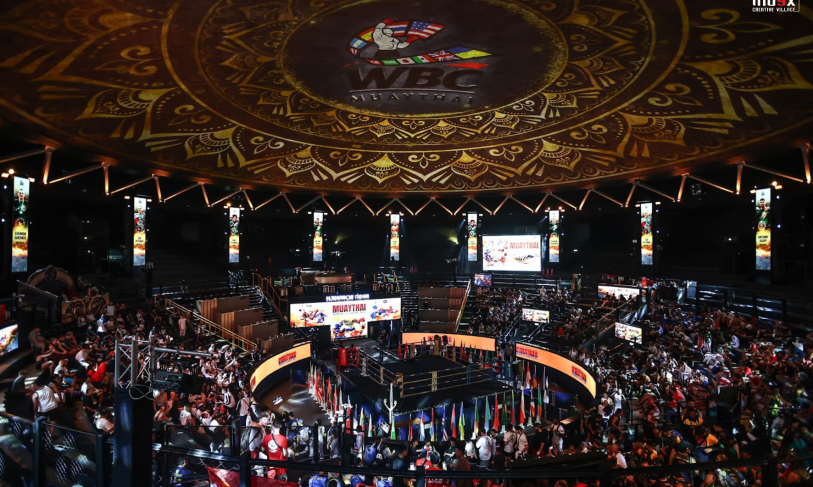
- Full-scale Production – Designed for large-scale events such as conventions, festivals, or international events. Involves full production systems, large stages, complex rigging, professional show control teams, and advanced technologies like drone shows, laser effects, and projection mapping.
Leading event companies understand that the level of Event Production is not defined by budget alone, but by the impact you want to create. Key moments, such as product reveals or show highlights, often require more advanced production than other parts of the event to deliver a memorable, high-impact experience.
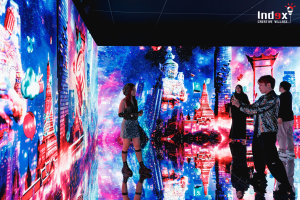
Examples of Event Production in Professional Events
In professional settings, what audiences see on stage may last only minutes, but behind it lies weeks or even months of Event Production planning, technical design, and rehearsals.
Creative and production teams must carefully design every detail, from stage structure and camera angles to lighting, sound timing, and cue execution, ensuring that every key moment happens precisely as intended.
Common applications of Event Production in professional events include:
- Product Launch Events – Utilize large LED stages, advanced lighting design, and visual content to create a high-impact product reveal.
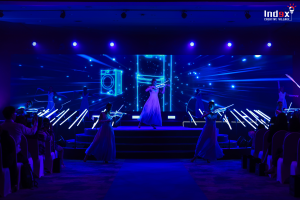
- Corporate Conventions – Feature multi-layer stage designs, immersive lighting, and large-scale sound systems to deliver a consistent experience to thousands of attendees.
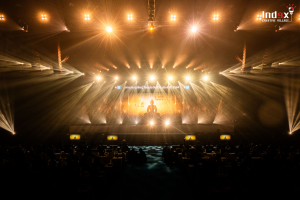
- Festivals or Concerts – Require full-scale Event Production, including large stages, complex rigging systems, and real-time show control.
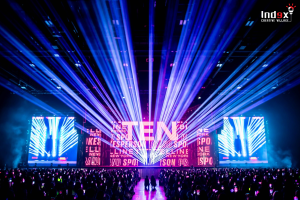
- International or Mega Events – Incorporate advanced technologies such as drone light shows, high-powered laser effects, video synchronization, and projection mapping to create truly unique, large-scale experiences.
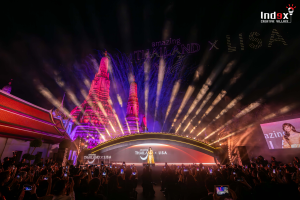
For leading companies like Index Creative Village, Event Production goes beyond technical setup. It is the integration of creativity, technology, and professional show control to deliver impactful moments, whether for product launches, corporate events, or large-scale international productions that demand precision and excellence in every second of the show.
Conclusion
In summary, Event Production is the core of creating impactful event experiences. It is the process that transforms ideas and concepts into real, live shows through stage design, lighting, sound, and advanced show technologies.
Professional events rely on expert Event Production teams that combine technical expertise with creative thinking. Leading companies like Index Creative Village prioritize Event Production at every stage, from system design to live show control, to deliver large-scale, memorable events at both national and international levels.
FAQ
Q: What is Event Production?
A: Event Production is the technical process that brings an event to life. It includes stage construction, lighting, sound systems, LED screens, and real-time show control during the event.
Q: How is Event Production different from Event Planning and Event Management?
A: Event Planning focuses on strategy and preparation. Event Management oversees the overall coordination of the event. Event Production handles the technical setup and live execution that make everything happen on event day.
Q: What does Event Production include?
A: Event Production typically covers stage production, lighting design, sound systems, LED visual systems, rigging systems, and show technologies such as drone shows and projection mapping.
Q: Do all events require Event Production?
A: Event Production typically covers stage production, lighting design, sound systems, LED visual systems, rigging systems, and show technologies such as drone shows and projection mapping.
Q: How do you choose the right Event Production company?
A: Almost all events require some level of Event Production, but the scale varies. Smaller events may only need basic sound systems and presentation screens, while large events require full-scale production systems.
Explore Our Work
Website → https://indexcreativevillage.com/portfolio
Facebook → https://www.facebook.com/IndexCreative